Login
 Register
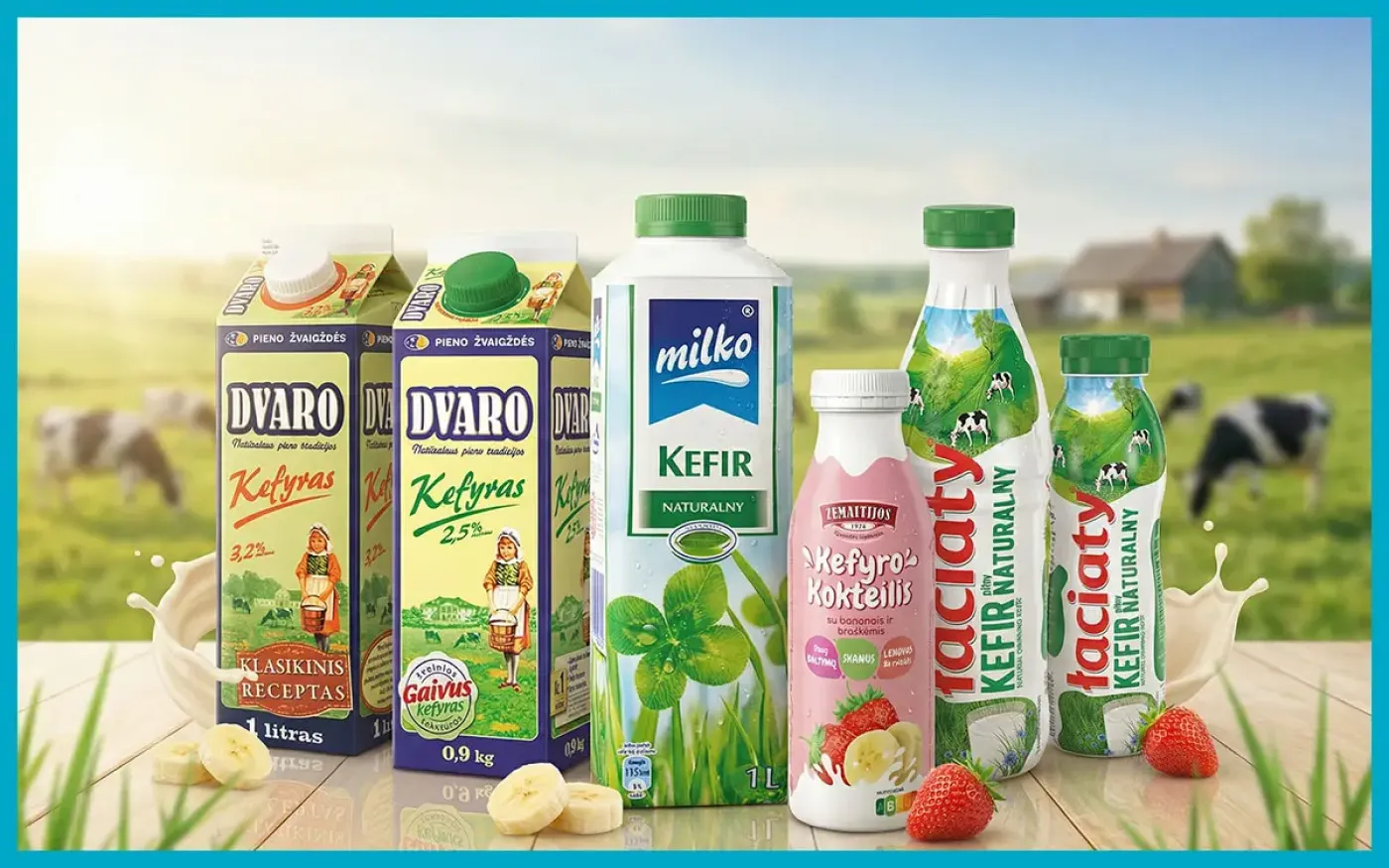
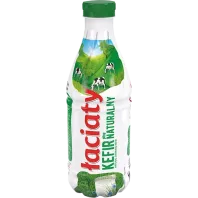
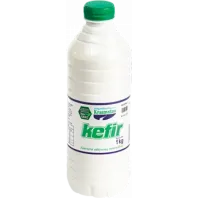
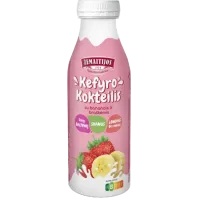
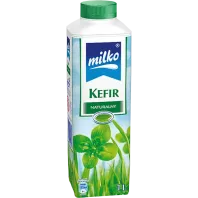
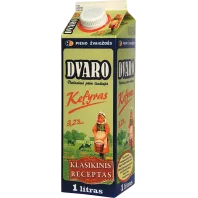
From Obscure to In-Demand
Ten years ago, most UK shoppers had never heard of kefir. Now it’s one of the fastest-growing dairy subcategories, with sales up over 33% year-on-year.
It’s not just Eastern European customers buying it anymore. Health-conscious consumers and yoghurt-alternative seekers are discovering kefir.
About 13% of UK households now purchase kefir, and that number continues to grow.
What Is Kefir, Exactly?
Kefir is a fermented dairy drink made by adding kefir grains — a mix of bacteria and yeast — to milk.
The fermentation process creates a tangy, slightly fizzy drink that is thinner than yoghurt.
Traditional kefir can contain up to 300 different bacterial species, making it one of the most probiotic-rich foods available.
Much of kefir’s popularity comes from its health associations, including:
- Improved digestion
- Better gut microbiome diversity
- Reduced inflammation
- Improved lactose tolerance
In countries such as Russia, Ukraine, and Poland, kefir has been a daily staple for generations.
Two Customers, One Fridge
The Heritage Customer
Eastern European shoppers who have grown up drinking kefir usually prefer traditional, unflavoured varieties and buy it regularly.
These customers are often brand loyal and know exactly what good kefir should taste like.
The Discovery Customer
UK-born consumers discovering kefir through health trends and social media are more likely to start with flavoured options.
For many, kefir’s tangy taste takes time to get used to, so smaller pack sizes help.
A strong product range should serve both types of customers by offering both plain and flavoured options.
The Bigger Health Trend
Kefir’s growth is part of a wider shift toward fermented foods and functional nutrition.
Products like:
- Kombucha
- Sauerkraut
- Kimchi
- Sourdough
have all benefited from the same trend, creating opportunities for retailers to group these products together.
Practical Stocking Advice
- Start with 3–5 SKUs
- Offer both plain and flavoured options
- Monitor sales and adjust your range
- Position at eye level in the dairy fridge
- Order smaller quantities more frequently
- Cross-merchandise with other fermented products
The Numbers
The UK kefir market is growing at nearly 5% annually.
Biotiful holds around 57% of market share, but there is still strong opportunity for traditional brands.
With growing demand and strong margins, kefir is becoming an attractive category for retailers.
Explore the Range
Browse the full kefir selection at Food4U Wholesale to discover traditional and flavoured options available with next-day delivery and competitive trade pricing.